
March 6, 2026
The conversation around AI infrastructure is evolving, which is a good thing.
In President Trump’s most recent State of the Union address, he highlighted a new push to contain the energy costs associated with large AI data centers. The administration is seeking commitments from major technology companies to provide for their own power generation so that rapid AI expansion does not drive up electricity prices for households.
That effort took a concrete step forward with the White House’s announcement of the Ratepayer Protection Pledge, which calls on major AI and hyperscale companies to build, bring, or buy the electricity required to power their data centers while paying the full cost of the associated infrastructure.
We must expand construction of data centers, but it needs to be done responsibly so that consumers aren’t paying the price.
AI data centers require enormous amounts of power, and demand is accelerating quickly. Additional industry analysis from Deloitte further illustrates how AI workloads are leading to power demand.
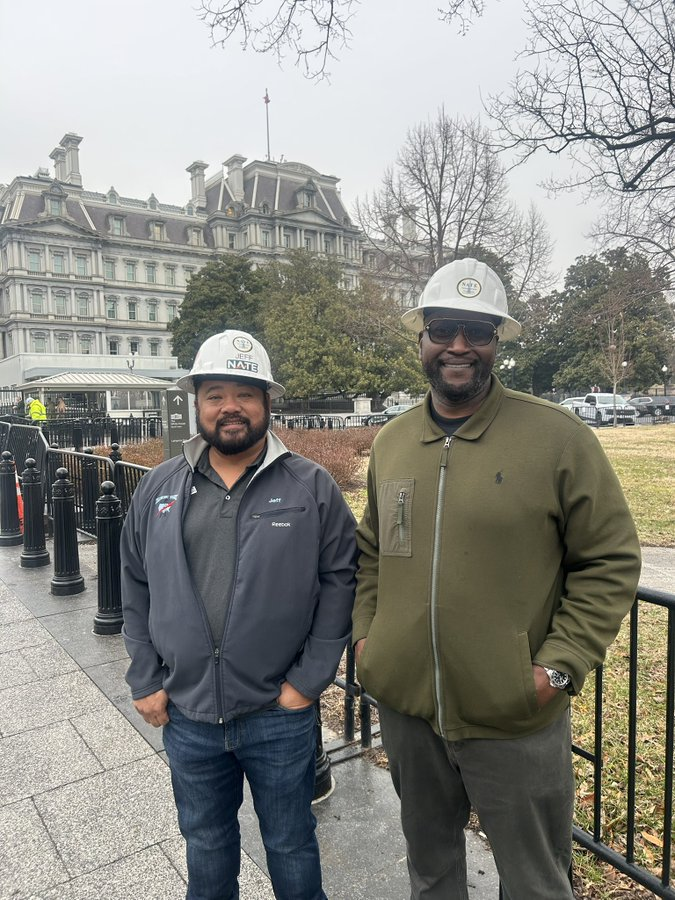
These facilities are more than infrastructure. They are the backbone of the next phase of American economic growth. As Build American AI Executive Director Nathan Leamer recently noted, the AI infrastructure boom is also a construction and skilled trades story. Across the country, their expansion is creating jobs in construction, engineering, utilities, including the tower climbers, technicians, and builders like Ray and Jeff. They are on the frontlines strengthening the digital backbone that powers modern commerce.
In several regions, utilities and policymakers are grappling with how to manage this surge in industrial electricity use. As detailed in the Roll Call report, lawmakers from both parties have raised concerns. Under traditional utility rate structures, infrastructure costs can be spread across customers, raising questions about whether residential ratepayers could subsidize upgrades tied to high intensity data center growth.
That concern cannot be ignored.
Placing additional strain on working families will slow the real economic progress AI is already helping to drive.
The administration’s “Ratepayer Protection Pledge” aims to address that tension directly. The idea is simple: companies building large-scale AI infrastructure should secure or finance the power required to operate it, rather than shifting those costs onto existing customers through regulated utility structures. This framework ensures we can continue expanding data center capacity without passing costs on to families nationwide.
Under the pledge, companies are expected to build, bring, or buy new electricity generation to meet their growing energy needs, rather than relying on existing supply that serves households and small businesses. They will also pay for the transmission and grid infrastructure upgrades required to connect new data centers, ensuring those costs are not passed on to everyday consumers.
American AI leadership depends on three things: compute, capital, and energy. We have made enormous progress on the first two. Energy is now the constraint that policymakers and industry leaders must solve together.
The United States should continue building AI infrastructure aggressively, invest billions in next generation data centers, and expand our technological capabilities to give America a competitive edge. That said, the expansion must come with planning, coordination, and fairness.
Containing energy costs is not about slowing AI development, but rather making the development durable.
There is also a broader strategic dimension. If communities begin to associate AI with rising utility bills or grid instability, political backlash will follow. That backlash would not just target energy policy, but AI itself. This outcome would weaken American competitiveness at the exact moment global competition is intensifying.
The stakes are larger than infrastructure alone. The nations that lead in artificial intelligence will help shape the economic and technological rules of the next century. If the United States does not continue building the infrastructure required to support AI development, other countries will fill that gap.
We have a better path forward: encourage abundant energy production, modernize the grid, and support private investment in dedicated generation where appropriate. Additionally, aligning incentives is a crucial layer so that growth does not create unintended public burdens.
The pledge also recognizes that AI infrastructure should benefit local communities. Companies are encouraged to invest in workforce development and local hiring where data centers are built, ensuring the economic benefits of the AI boom extend beyond the technology sector itself. At the same time, coordination with grid operators and the potential sharing of backup generation resources can help strengthen grid resilience during periods of high demand or emergency.
President Trump’s announcement underscores something important. AI policy is no longer confined to model performance and safety debates. It now sits squarely in the center of infrastructure, industrial policy, and household economics.
That shift reflects how foundational this technology has become.
If we are going to lead in AI, and we must, smart leadership and disciplined policy need to lead the way.
Building American AI means building it in a way that strengthens communities, protects consumers, and reinforces public trust. That is how American leadership in AI will endure—not just for years, but for decades.
Jay Burstein is a fellow with Build American AI.
.png)
