
February 25, 2026
The conversation around AI in education is shifting. It should be.
For too long, artificial intelligence in schools has been framed around fear. Will it replace teachers? Will students misuse it? Will it undermine traditional learning?
But there is another story unfolding, and it deserves attention.
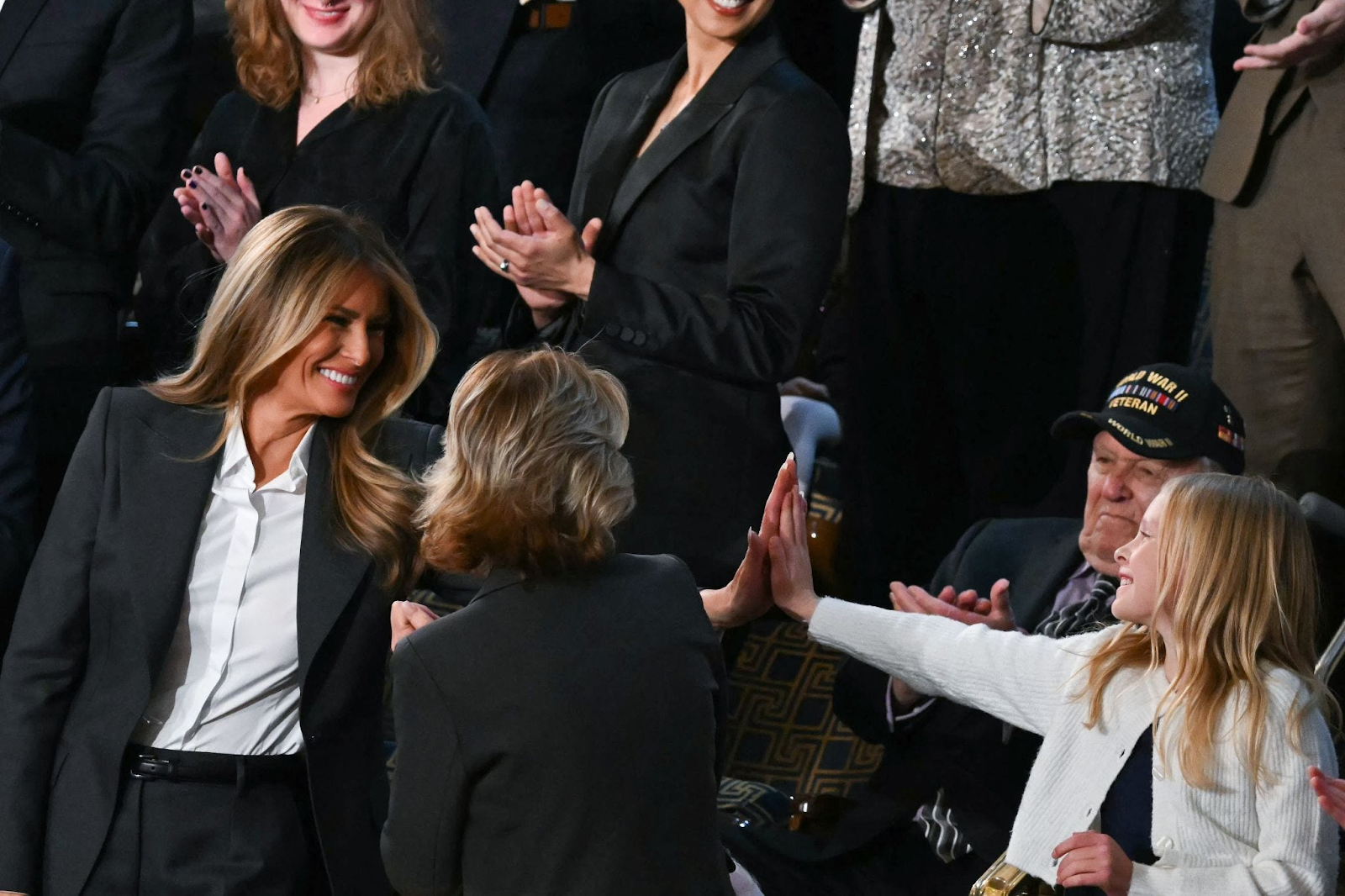
Everest Nevraumont is an 11-year-old student at Alpha School in Austin, Texas, where AI-powered personalized learning is integrated into the classroom. She is a three-time Texas State Champion in History, a member of a winning International History Bowl team, and a TEDx speaker who has publicly shared how AI strengthens her academic growth. Everest was also invited as a guest of First Lady Melania Trump to attend the recent State of the Union, highlighting the growing national attention on how AI is already expanding educational opportunity.
AI-powered learning does something traditional classroom structures often struggle to do. It adapts. AI identifies where a student needs reinforcement. It also accelerates when a student is ready to move ahead. Additionally, AI ushers in a new era of promoting a mastery of concepts over memorization. That is where real learning occurs and how information is retained for long periods of time.
AI empowers teachers with better tools and gives students a more tailored path to succeed.
In a single classroom, students do not all learn at the same pace. Some need more time in math and others move quickly in reading. Some students excel in history and crave deeper material. AI makes it possible to respond effectively to those differences without lowering standards or holding students back.
A one-size-fits-all approach in education does not work. That has been proven time and time again. AI has helped to unlock opportunities that tailor to each child’s unique strengths and needs, which builds sustained confidence and success.
The economy in our future will reward adaptability, problem-solving, and digital fluency. Students who grow up learning alongside AI will not be intimidated by it. They will know how to use it responsibly and productively.
The recent K-12 AI Workshop reached approximately 2,600 schools nationwide. AI in education is not a niche experiment. It is becoming part of how we prepare students for what comes next.
There are risks with any new technology. That is, of course, true in every era. But the rational response is not retreat. It is a thoughtful integration. Educators and researchers continue to study how best to deploy AI in ways that support learning while addressing ethical concerns and expanding opportunity to all families.
If we are serious about powering American leadership in AI and igniting prosperity in our communities, preparation has to start in classrooms. We cannot expect to lead on the world stage if we hesitate to equip our own students with the tools shaping the world they will inherit.
Students like Everest show what is possible. When used responsibly, AI does not weaken education. It strengthens it, unlocks potential, builds confidence, and prepares young Americans to compete and lead.
That is what progress looks like.
Progress that we have to encourage, not cast aside due to fear of the unknown.
Jay Burstein is a fellow with Build American AI.
.png)
